
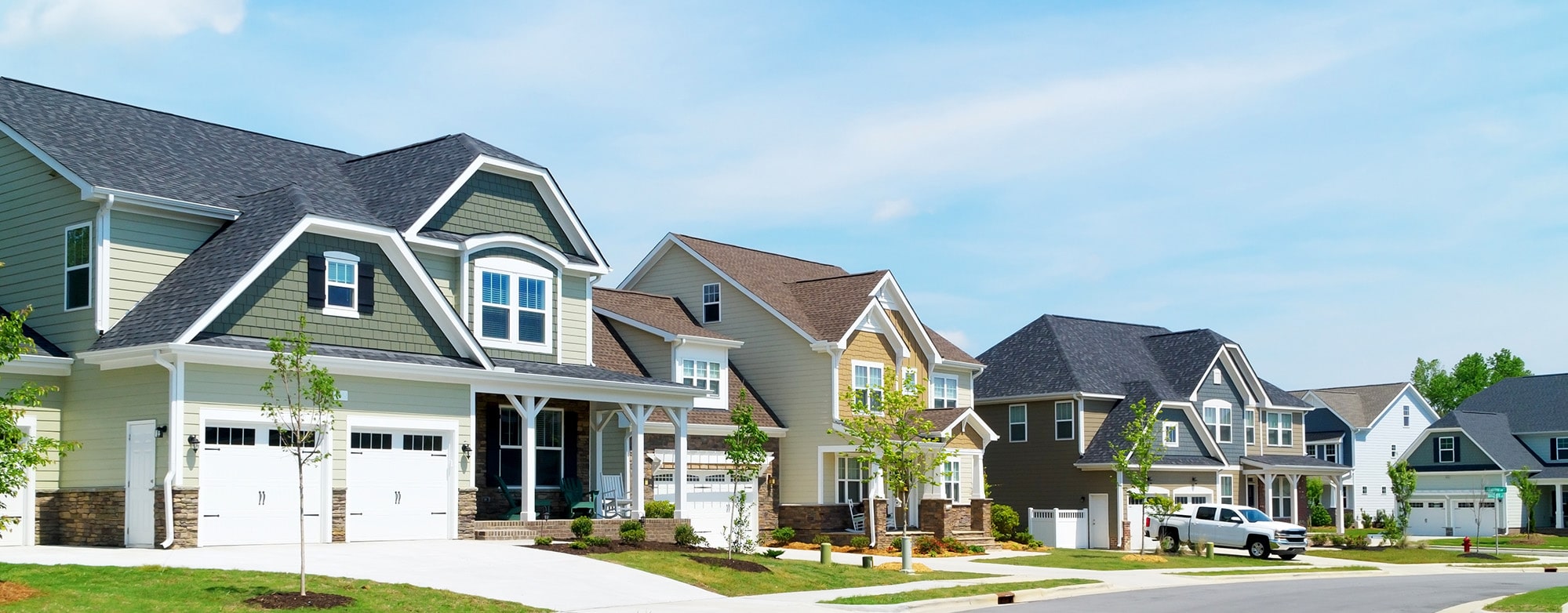
A rental property can have fresh paint, clean floors, working appliances, and a completed maintenance checklist, yet still sit vacant longer than expected. For property owners, this can be frustrating: if the home is ready for a tenant, why isn't someone signing a lease?
The answer is that being rent-ready is only one part of being market-ready. A property may be physically prepared for move-in but still need adjustments to its pricing, lease terms, marketing, or overall value proposition before it can compete effectively.
Key Takeaways
A rent-ready property may still be difficult to lease if its price does not match current market conditions.
Renters increasingly have more options and may compare concessions, amenities, and lease terms before applying.
Lease flexibility can sometimes help a property stand out without requiring a major reduction in rent.
Strong marketing and accurate positioning are just as important as the property's physical condition.
Owners should evaluate market response quickly rather than allowing a vacancy to linger without adjustments.
Rent-Ready Doesn't Mean Market-Ready
Getting a property ready for a new tenant usually means addressing the physical details: completing repairs, cleaning the home, improving its appearance, and making sure everything functions properly. Those steps are essential, but they do not guarantee that renters will view the property as the best option available.
Today's renters are comparing multiple properties at once. They may look at monthly rent, move-in costs, lease length, pet policies, included utilities, amenities, location, photos, and even whether a landlord offers an incentive.
That means a property can be perfectly clean and well-maintained while still losing attention to a similar property with a more attractive overall offer.
Pricing Can Make or Break a Leasing Strategy
One of the first questions to ask when a property is receiving little interest is whether the asking rent is competitive.
National rental data shows that the market has become more favorable to renters in many areas. In August, the median asking rent across the 50 largest metropolitan areas was down 0.9% from a year earlier, while 43.5% of listings offered some form of concession.
For owners, this does not necessarily mean immediately lowering the rent. It means looking at the property's total value compared with competing rentals. A slightly higher rent may still be reasonable if the property offers better features, location, condition, or included services. Conversely, a property priced above comparable rentals may struggle even when it looks excellent.
Lease Terms Can Influence the Decision
Rent is only one part of the leasing equation. A prospective tenant may also be weighing the length of the lease, renewal options, pet policies, security deposit, maintenance responsibilities, and other terms before deciding whether to apply.
For example, offering reasonable flexibility around lease duration may make a property more appealing to certain renters without changing the advertised rent. Owners can also consider whether some terms that have traditionally been treated as fixed could be structured differently while remaining consistent with applicable laws and policies.
Concessions Are Changing the Competition
When several properties are competing for the same pool of renters, incentives can influence which listing receives attention first. Concessions can include reduced fees, free rent for a limited period, or other incentives that lower a renter's initial cost.
Recent rental-market data shows that concessions have become increasingly common, with 43.5% of 0–2 bedroom listings across the 50 largest metros offering an incentive in August.
This makes it important for owners to look beyond the advertised monthly rent. A competing property may appear more expensive at first glance but provide an incentive that makes its effective cost more attractive.
Marketing Matters After the Property Is Ready
Even a competitively priced property can struggle if renters do not immediately understand what makes it worth considering.
Professional photography, an accurate description, complete property details, and timely responses can all affect how prospects move through the leasing process. If inquiries are coming in but applications are not, the issue may not be the property itself. It could be the way its value is being communicated.
Owners should also pay attention to how long the property has been available and how renter activity changes after a price adjustment, marketing update, or concession is introduced.
Watch the Market Before a Vacancy Lingers
A vacancy provides useful information. Few inquiries may indicate a visibility or pricing issue. Plenty of inquiries but few showings could point to a communication or scheduling problem. Showings without applications may suggest that renters are finding better value elsewhere.
The key is to treat these signals as feedback rather than waiting weeks and hoping interest will eventually increase.
A rent-ready property gives an owner a strong starting point. A market-ready property goes one step further by matching its condition, price, lease terms, and presentation to what renters are actually seeing in the market.
For property owners who want to reduce unnecessary vacancy and make informed leasing decisions, Wolfnest can provide support throughout the process, from preparing and marketing the property to finding and placing a qualified tenant.
FAQs
How long should a rental property stay vacant before changing the strategy?
There is no universal number of days. Owners should monitor inquiries, showings, applications, competing listings, and changes in the local market to determine whether an adjustment is warranted.
Should I lower the rent if my property isn't leasing?
Not necessarily. Before reducing rent, review comparable properties, listing quality, lease terms, renter feedback, and possible concessions. The problem may be the property's overall value proposition rather than the asking rent alone.
Can changing lease terms help attract tenants?
Potentially. Lease duration, pet policies, move-in costs, and other terms can influence a renter's decision. Any changes should remain consistent with applicable laws and the owner's leasing policies.
What is the difference between rent-ready and market-ready?
Rent-ready generally means the property is physically prepared for occupancy. Market-ready means the property is also competitively priced, properly marketed, and positioned to appeal to current renters.
Summarize this content with AI:
Chat GPTGrok
Perplexity
Claude.ai